

The Science Behind Hot + Cold: Why Contrast Therapy Works
Pacific Northwest people love to pretend we’re made of volcanic rock. We chase powder days, trail miles, cold rivers, and whatever counts as “fun suffering” that week. So it’s no surprise contrast therapy has exploded across Oregon. It hits all the right notes: primal, natural, effective, and weirdly addictive.
But behind the trend is real science. Alternating between sauna heat and cold immersion triggers measurable physiological responses that support recovery, mental clarity, and long-term health. Whether you’re an athlete, a weekend warrior, or just trying to feel more human in the mornings, contrast therapy works because your body has been wired for it since before Oregon was Oregon.
Let’s break down why.

The Biology of Heat Exposure (Sauna)
Sauna isn’t just “sweating a lot in a cedar tube.” Controlled heat exposure activates systems throughout the body that improve resilience.
1. Increased Blood Flow and Cardiovascular Conditioning
Heat causes vasodilation. Blood vessels widen. Heart rate rises. Circulation improves dramatically. Studies show sauna sessions can mimic the cardiovascular load of light aerobic exercise.
Why this matters:
Better circulation = faster nutrient delivery + improved recovery + reduced inflammation.
2. Heat Shock Proteins (HSPs)
When you expose your body to controlled heat stress, it releases HSPs. These little molecular bodyguards repair damaged proteins, protect cells, and improve metabolic health.
Athletes geek out over this because HSP activation correlates with improved endurance.
3. Improved Detoxification
Sweat isn’t magic, but it does help eliminate heavy metals and metabolic waste. The real benefit is that sweating ramps up your body’s natural filtration processes.
4. Stress Relief Through Thermal Relaxation
High heat triggers endorphins and lowers cortisol. Sauna time replaces doom-scrolling with something your nervous system actually enjoys.

The Biology of Cold Exposure (Cold Plunge)
Cold immersion takes everything a sauna gives you and flips it.
1. Vasoconstriction and Rapid Recovery
Cold causes blood vessels to constrict, reducing inflammation in joints and muscles. It’s why athletes have been icing injuries forever. But whole-body immersion works even better.
2. Norepinephrine Spike = Mood + Energy Lift
Cold exposure triggers a flood of norepinephrine, a neurotransmitter involved in alertness, focus, and mood regulation.
Translation: it wakes you up like nature’s espresso shot.
3. Brown Fat Activation (Thermogenesis)
Cold exposure activates brown adipose tissue, which burns calories to generate heat. Regular use improves metabolic regulation and insulin sensitivity.
4. Strengthened Immune Response
Short cold stress increases white blood cell activity. Over time, this contributes to fewer colds, fewer sick days, and less seasonal burnout.
Why Contrast Therapy Works Better Than Either Alone
Alternating heat and cold amplifies the benefits of each.
1. Vascular Pumping
Sauna dilates blood vessels.
Cold plunge constricts them.
Repeating this cycle creates a vascular pump effect:
• Rapidly increases circulation
• Flushes metabolic waste
• Reduces inflammation
• Accelerates muscle recovery
It’s like a natural power-washer for your tissue.
2. Nervous System Reset
Heat activates the parasympathetic (calming) system.
Cold activates the sympathetic (energizing) system.
Going back and forth teaches your body how to regulate stress more efficiently.
People describe it as:
“I feel like my brain rebooted itself.”
3. Mental Toughness + Emotional Regulation
There’s a reason cold plunge people become extremely annoying evangelists.
Contrast therapy boosts dopamine up to 250%. That’s not “feel good,” that’s “feel like a superhero.”
Over time, this improves:
• focus
• resilience
• discipline
• mood stability
You stop reacting to stress the same way because your nervous system has literally adapted.
4. Better Sleep
The drop in core temperature after heat exposure helps your body transition into deeper sleep cycles.
Pairing it with cold plunge amplifies this effect.

How to Do Contrast Therapy at Home
Here’s the simple sauna - cold plunge structure most people follow:
-
Sauna: 10–15 minutes
-
Cold Plunge: 30 seconds to 3 minutes
-
Rest 2–3 minutes
-
Repeat 2–3 rounds
Always end on cold unless it’s winter in Bend, and you don’t want to walk back to the house as an icicle.
If you want to get serious, your personal setup should include:
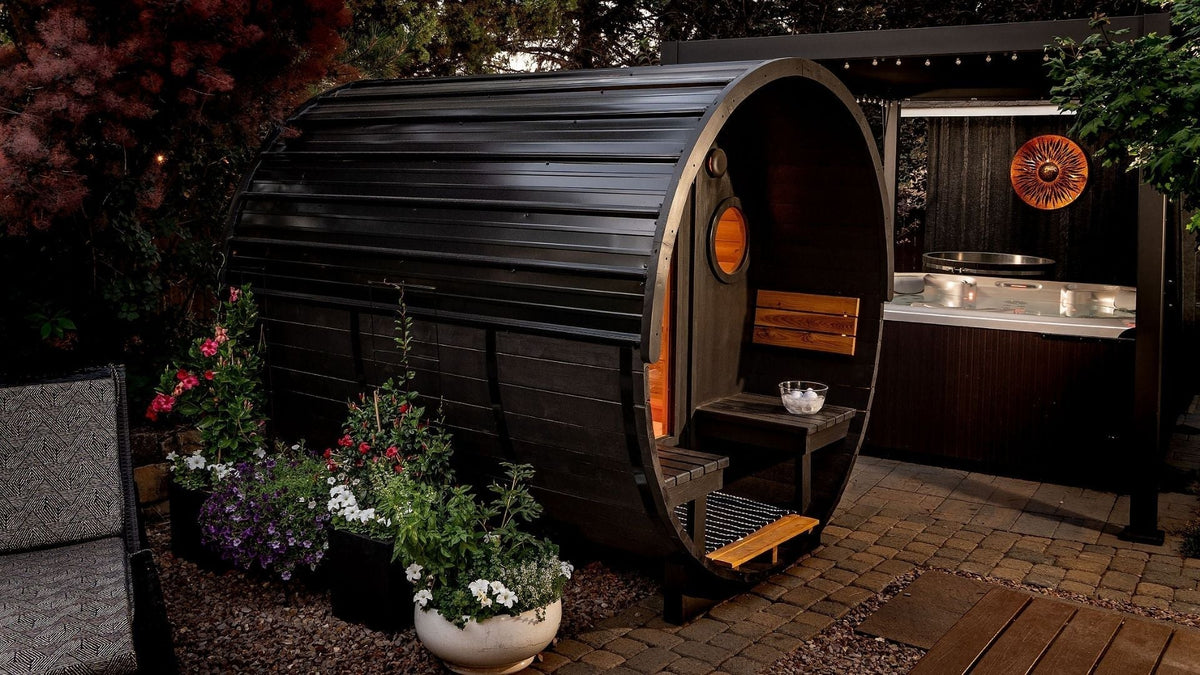
• A cedar barrel sauna
• A cold plunge
• Space to sit, breathe, and let your nervous system recalibrate
Why Oregonians Love It
In Oregon, wellness has always meant outside, natural materials, mountain air, cold rivers, and wood heat.
Contrast therapy is all those things… at home… without the regular trek to a crowded wellness studio.
It resonates because it fits the PNW lifestyle:
• We train hard here.
• People here value mental calm.
• Winters are dark and unforgiving.
• Community and ritual matter.
A sauna + plunge setup becomes a grounding ritual in a world that’s always going too fast.

Who Benefits Most From Contrast Therapy
Pretty much anyone except your friend who refuses to try the cold plunge because he “doesn’t like being uncomfortable.”
Best candidates:
• Athletes and runners
• Mountain bikers and skiers
• Parents of small children who forgot what energy feels like
• Anyone who works at a desk
• People seeking natural stress relief
• Anyone building a backyard wellness space
How Ember Saunas Supports Contrast Therapy
Your wellness routine works better when your equipment is built right. Ember Saunas are handcrafted here in the PNW using hand-selected cedar, precision joinery, and premium heaters that maintain consistent heat cycles. Pairing a sauna with a cold plunge creates a full at-home therapy system.
Ready to talk about your perfect home contrast therapy setup? Call us at (541) 647-9736 or email info@embersaunas.com.

Leave a comment
This site is protected by hCaptcha and the hCaptcha Privacy Policy and Terms of Service apply.